
“Ethereal” is a word seldom used, but an evocative one when it is. When something is described as ethereal, it means that it is “extremely delicate and light in a way that seems too perfect for this world”—like the petals of a flower, or the gentle beauty of a face. When this quality is used to describe music, it suffers a special intangibility. How can music be light, delicate, or too perfect for this world? Other descriptors—like drone, metal, or jazz—are more exacting. It is easy to tell a jazz song from a metal song, but what about an ethereal one from one that’s not? It is perplexing; precise in spirit yet blurred in almost every other characteristic.
Unassuming, with purpose
This blurring extends far beyond etymology. While aesthetic occupies the center of ethereal music, it does so in a manner that raises far more questions than it answers about the genre. The visual aesthetic of two definitive ethereal bands, the Cocteau Twins and My Bloody Valentine, is intentionally opaque. Partially in response to the overindulgent and stage personas that defined New Wave, the prevailing alternative movement of the early 1980s, ethereal bands preferred to dress plainly in attire fit for the office. Simple dresses, button-down shirts, sweaters and simple, well-fitting trousers, made image cultivation exceedingly difficult. There was no shock-value to the way they dressed, a strategy that often helped catapult other groups into the public conversation—like Al Jourgensen of Ministry, Boy George of Culture Club, or most memorably, Robert Smith of The Cure. In comparison, the Cocteaus and MBV seemed neither counterculture nor with the culture, perhaps operating outside of it entirely. The couple gave no physical indicator for what their music would sound like, besides a shrug of indifference to the image obsessed music industry. Thankfully, this mystery did not deter all people from giving either bands’ music a chance. In fact, it only makes the discovery of their discographies more rewarding.
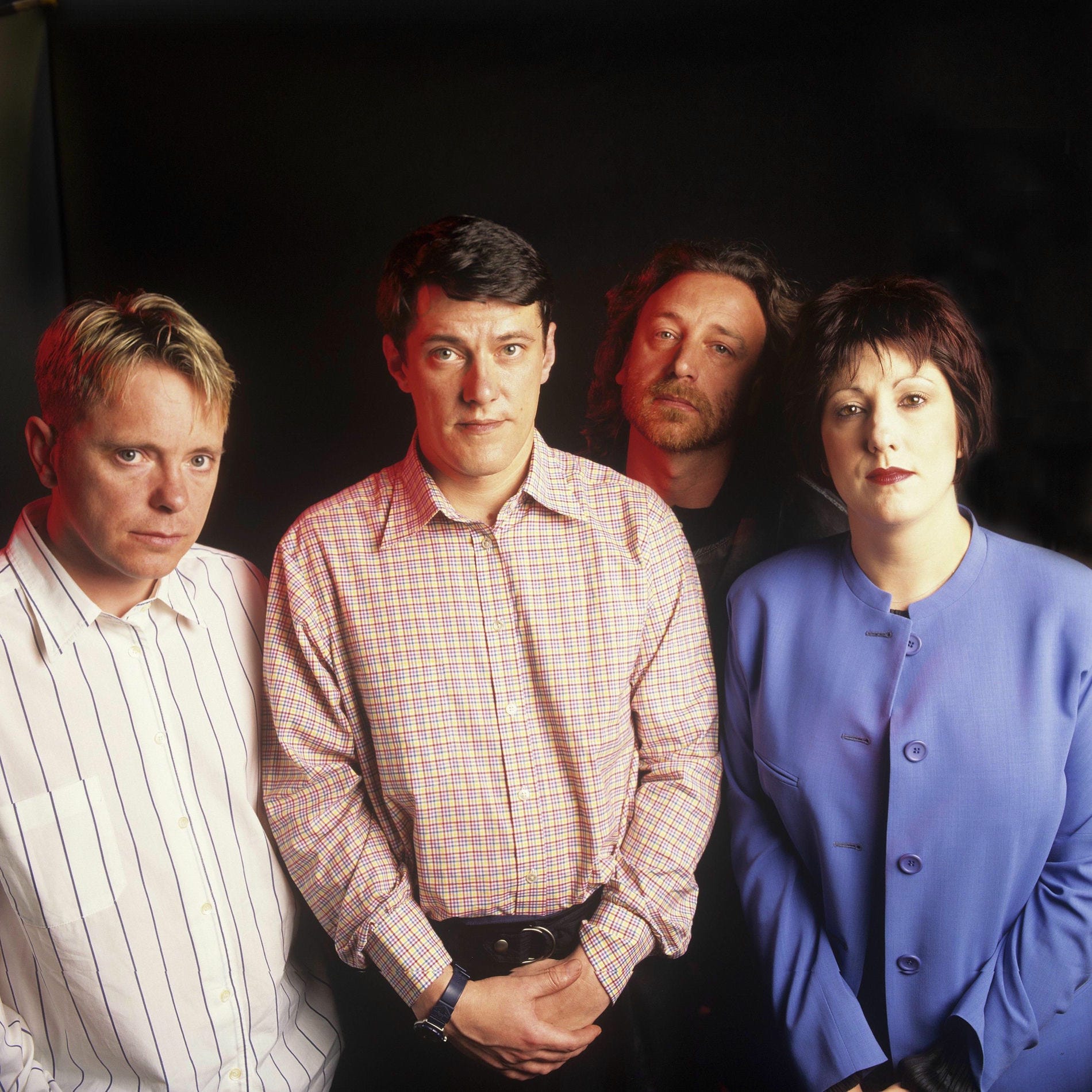
A parallel can be drawn between the fashion statements of MBV and the Cocteaus and their alternative forerunner New Order, whose members dressed similarly bland. In the Mancunian quartet’s case this choice was a holdover from their Joy Division days, where they wore simple outfits to signify their working-class backgrounds. For New Order, the plainness was on brand with the cold, electronic awkwardness of their music. It does not quite lineup with whimsicality of the Cocteau Twins or the raw passion of My Bloody Valentine. The rationale for these commercially unfriendly fashions decisions was to shift the attention away from all aspects of the band but the music. It extended beyond just fashion statements, but also to the stage presences of the bands. The term shoegaze, which is largely interchangeable with ethereal, was coined as a jab by music executive Andy Ross in response to the inclination of the genre’s musicians to look at their shoes while they performed. Theatrics of any kind, even seemingly acknowledging the audience’s presence, were shunned in favor of an undivided attention on the musical performance.
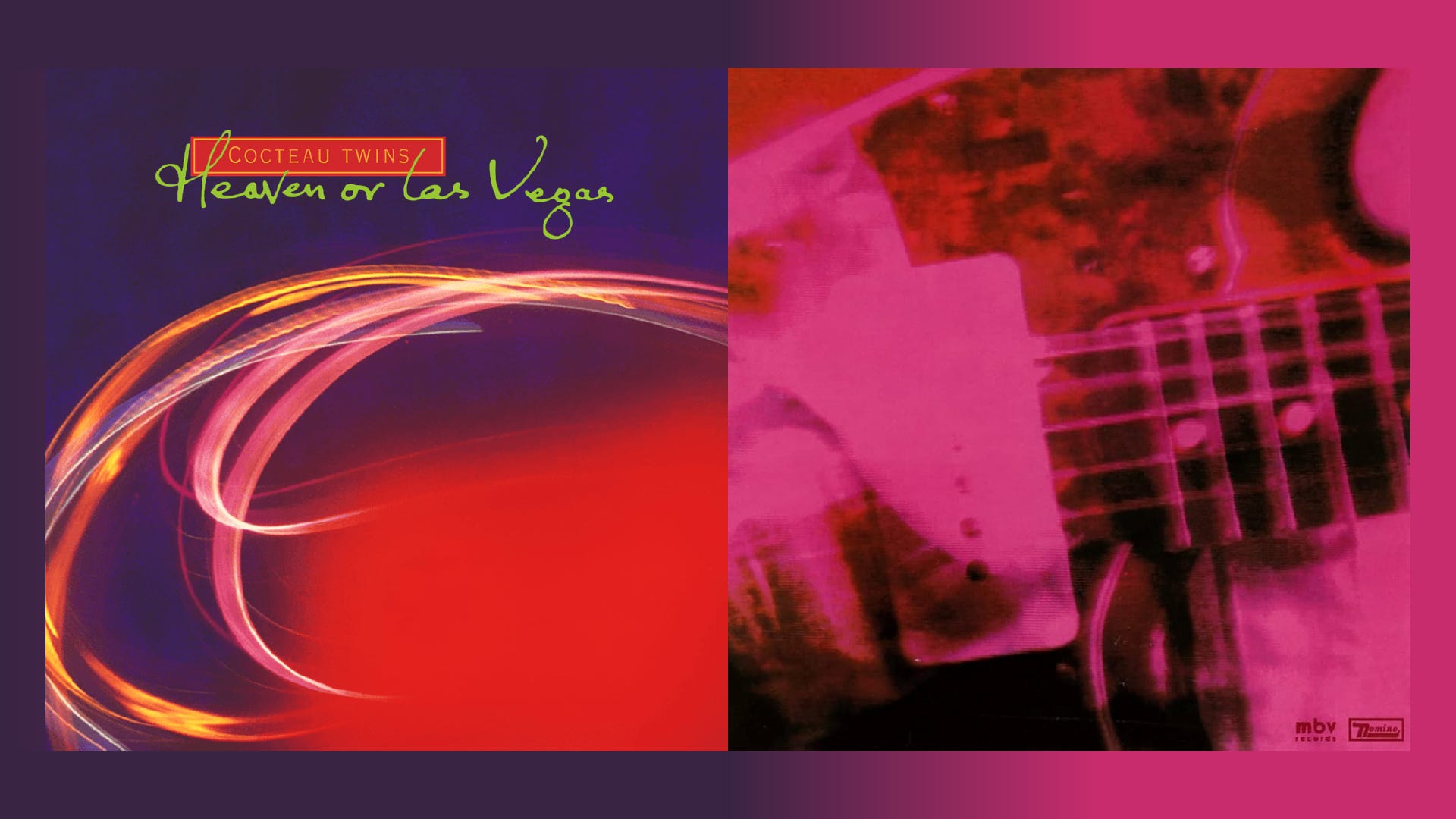
Luckily, the visual aesthetic of ethereal wave is not entirely nebulous. In the arena of album artwork, the genre’s most consequential albums: Heaven or Las Vegas (1990) and Loveless (1991), provide two of the most articulate visualizations of the emotions stirred by their musical contents. The happy-sad haze of dazzling light and red, violet, and gold colors on Heaven or Las Vegas are as representative of the unintelligible meaning of the dreamlike compositions as the recordings themselves. The blurred, toxic bubblegum surrounding the amorphous electric guitar on Loveless is exactly what the moody, chaotic, fuzzy mesh of reverbed guitars and submerged vocals should amalgamate to on a canvas. Simply put, the two albums look just how they sound. And their sounds, just like their cover designs, are like nothing that came before.
Now, let us compare the histories and sounds of Heaven or Las Vegas and Loveless, the two of the most consequential alternative albums of the pre-grunge era. While they may be located on opposing ends of the ethereal spectrum, there is a common thread between the dreaminess of the former and noisiness of the latter that unites them, forming a duo too perfect for this world. With luck this retrospective may point us towards a better answer to our principal question: what makes music ethereal?
Scottish Post-Punkers
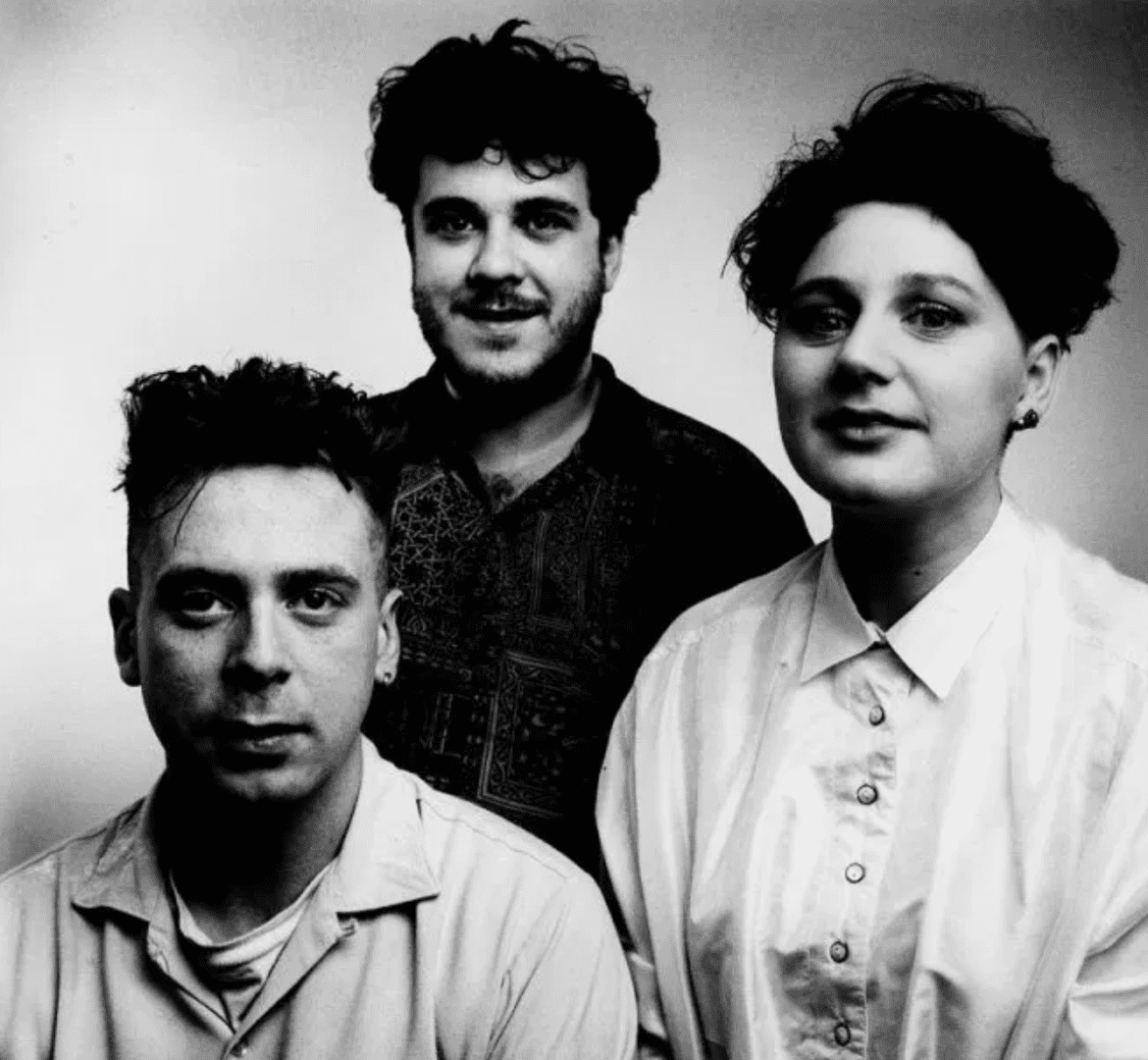
The Cocteau Twins were formed in 1979 in Grangemouth, Scotland by childhood friends Robin Guthrie and Will Heggie, with vocalist Elizabeth Frasier completing the original trio soon after. The band was greatly influenced by the then up-and-coming U.K. post-punk scene including acts like Joy Division, Bauhaus, and, most crucially, Siouxsie and the Banshees. The rarity of a female fronted post-punk bands meant that the Cocteau Twins would be relentlessly compared to Siouxsie and the Banshees and called a rip-off, whether it was merited or not. Nevertheless, Frasier did hold great admiration for elder frontwoman Siouxsie Sioux, even getting a tattoo on her arm to honor her.
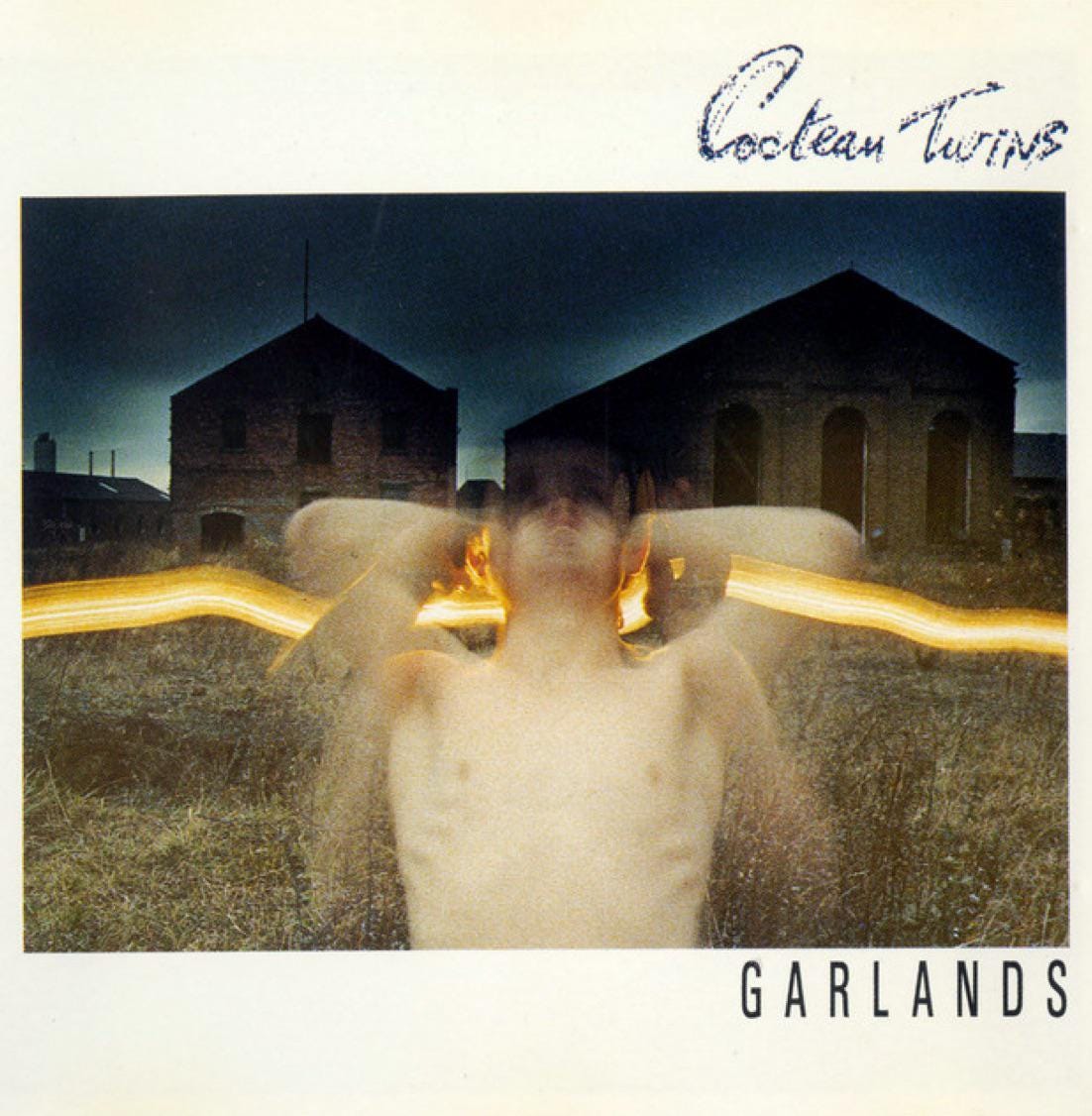
The group signed with the burgeoning independent label 4AD in 1982 and released their debut studio album Garlands later that year. Following its release, Heggie left the band and Simon Raymonde replaced him, rounding out the classic Cocteau Twins lineup. The abrasive, post-punk sound of Garlands was about as far removed from ethereal as possible. It stands largely alone in the genre for its overt reliance on a hip-hop sounding drum machine, which formed an oddly gripping electronic-analog dynamic. Overall, the record stands as a compelling debut. Despite not having any truly standout tracks, the Cocteau Twins managed to cultivate a sound that was unmistakable—even if it wasn’t the one they would become famous for.
Finding a dividing line between the post-punk and ethereal Cocteau Twins eras is difficult. On the band’s sophomore effort Head Over Heels (1983) the songs ping-pong between the heavier, post-punk sound of Garlands and something that can be described ethereal-adjacent. Two songs that best illustrate this incoherence are second track “Five Ten Fiftyfold” and closer “Musette and Drums.” The former reigns in the guitar and drums, creating an empty plane for which Frasier fills with a distant, yet soaring vocal performance. The latter can aptly be described as business as usual, with the same heavy reverbed sound of Garlands—though now with a more conventional drum machine. One oddity of Head Over Heels is heard on third track “Sugar Hiccup,” which contains a guitar arpeggiation bearing significant resemblance to the namesake track of 1990 album—a seven-year foreshadow.
A string of critically acclaimed and commercially successful albums—though still largely in an indie manner—followed Head Over Heels, including Treasure (1984), Victorialand (1986), and Blue Bell Knoll (1988). By the time the next decade rolled around, post-punk was no longer the fixture of the alternative scene it was once was. In fact, 1990 served largely as a purgatory year for alternative music, where the creative burst that sustained the ‘80s had fizzled out and had not yet been reignited for ‘90s; that would come in Fall of ‘91 by way of a certain Seattle-based punk band. Interestingly, the Cure released one of the last true post-punk albums—and one of the best ever made—Disintegration, in May 1989, which is widely considered to be the band’s masterpiece. The creative trajectory of the Cocteau Twins seemed to resemble their post-punk turned dream pop brethren: release a string of commercially and critically successful albums through the ‘80s before reaching an artistic zenith at the turn of the next. The Cocteaus accomplished this feat when Heaven or Las Vegas was released in September 1990.
The Luck of the Irish
My Bloody Valentine’s resume preceding the release of Loveless was much more volatile than their Scottish colleagues. The band formed in Dublin, Ireland in 1983 by childhood friends Kevin Shields and Colm Ó Cíosóig, with the pair on guitar and drums, respectively; David Conway was recruited as lead vocalist soon after. MBV underwent significant lineup changes in their nascent years as they relocated to the Netherlands, then West Berlin, and finally to London in 1985, where bassist Debbie Googe joined. MBV’s debut release, the 1984 mini album This is Your Bloody Valentine, failed to chart and was followed by the similarly disappointing EP Geek! the following year. While the Cocteau Twins’ bridge from post-punk to dream pop was marked, it cannot hold a candle to the shift in sound MBV underwent from their first two releases, which are an absolute bizarre mix of ‘50s rockabilly, ‘60s surfer rock, and then-contemporary punk themes—all delivered by Conway in his best Jim Morrison impression. The songs more than sound like they are from a different band, but from an entirely different age. There is simply no point of comparison for this era of My Bloody Valentine, standing alone as sound that failed to gain any commercial acceptance—and probably for good reason.
By 1987, the band had undergone a significant sonic makeover, confirmed in the release of their second-ever single “Sunny Sundae Smile” that February. While the song retains the catchiness of a ‘60s pop song, it has a much heavier guitar sound—the groundwork of the wall of noise the band would become renowned for. Despite being a step in the right direction, “Sunny Sundae Smile” remains a relatively uninspiring release that could be easily mistaken for the average Buzzcocks song. However, the single managed to peak at No. 6 on the UK Indie chart1 and served as a much-needed victory for the struggling band. A month later, My Bloody Valentine was characteristically sent back into turmoil when lead vocalist David Conway abruptly left the band. The remaining members sought Bilinda Butcher to fill the role, though Shields reluctantly began to share vocal duties with her. This arrangement would prove to be one of the greatest decisions the group ever made; the harmonization between Butcher and Shields would be integral to the development of the shoegaze sound.
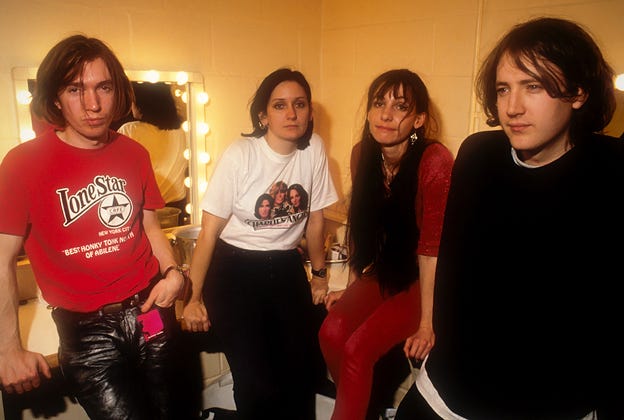
MBV, now with a solidified lineup, saw continued indie success in Fall 1987 with the release of a three-track single “Strawberry Wine” and a second mini album Ecstasy, followed the next summer by the EP You Made Me Realise. With these releases, the band had finally found the sound they had been looking desperately for: a melding of ‘60s jangle pop, psychedelia, and ‘70s punk themes—all behind a torrent of distorted, droning guitars. The lackluster production quality of the recordings added a hazy detachment to the vocals, which was at first an unintentional result of their limited recording budget but became a staple of their production style, even when they had near-limitless funds at their disposal. However, their breakthrough came the in November 1988 with the release of their first full-length studio album Isn’t Anything— the record that topped the indie album chart2 and became an early blueprint for every shoegaze act that followed.
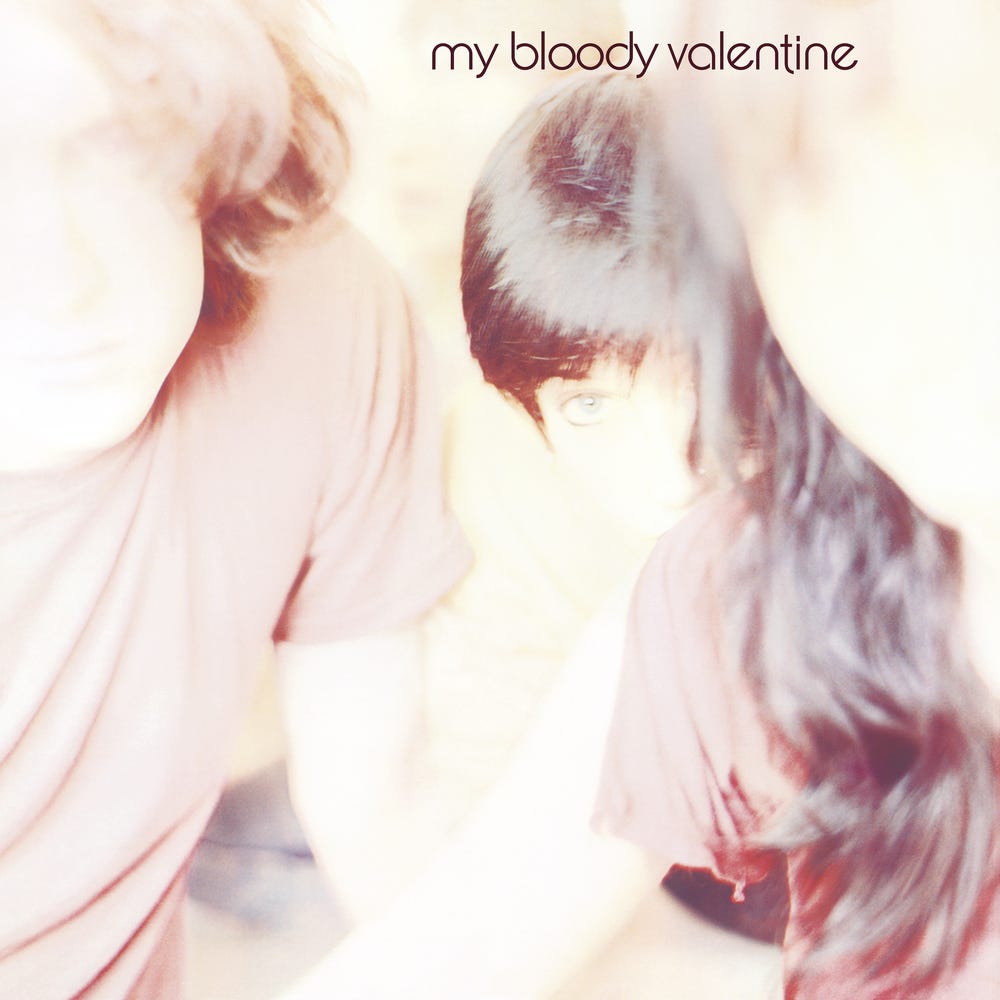
Isn’t Everything shares many sonic similarities with its successor Loveless, though less extreme in nearly every feature. MBV made extensive use of layered guitars tracks and heavy feedback and modulation effects to further intensify their wall of noise. The vocals tracks are further buried in the songs, though the lyrics remain partially discernable—but that will soon change. The success of Isn’t Everything brought My Bloody Valentine enough favor in music industry to finally record an album exactly how they wanted, and with someone else flipping the bill. What ensued was a two-year disaster of infighting and unproductivity that saw the band change studios nineteen times and spend a purported £250,000 making the record.3 Despite this, the culmination of these setbacks proved to be well worth the time and sacrifice, as Loveless was released in November 1991.
A Postponed Victory
Heaven or Las Vegas had a more substantial cultural impact at its release than Loveless, peaking at No. 7 in the UK4 while also managing to chart in America at No. 99 on the Billboard 200.5 This made the record far and away the most successful of the Cocteau Twin’s career. Amusingly, Loveless has an identical all-time peak on the UK chart—a feat it managed three decades later, when it reached No. 7 in March 20216— however, initially the record only managed to reach No. 24 before falling off the chart entirely two weeks later. The mainstream success the Cocteau Twins enjoyed with Heaven or Las Vegas did spell a more commercial direction for the band that moderately detracted from their appeal in alternative music circles. Conversely, Loveless’ status as a commercial flop that failed to recoup its mammoth budget fed into its mystique of being a misunderstood masterpiece. The longevity of the record held outside of the typical distribution channels allowed it to ultimately have a greater impact on the alternative music landscape than its dream pop counterpart.
Track-by-track
Heaven or Las Vegas contains ten tracks, of which only the third, “Iceblink Luck,” was released as a single. The album is well-balanced in its organization, beginning and ending with two tracks that exude a distinctive brand of bittersweet sentimentality, “Cherry-Coloured Funk” and “Frou-Frou Foxes in Midsummer Fires,” that anchor the record. The middle eight explore different corners of this dream world in a generally jovial manner, though with an undercurrent of melancholy throughout. The same overwhelming beauty of each composition remains constant, making Heaven or Las Vegas feel like a concept album that is bound by nothing but a fantastic energy that travels through record from start to finish.
Cherry-Coloured Funk
The leadoff track “Cherry-Coloured Funk” offers the firmest entry-point to this ethereal world. The listener is immediately met with the intense reverb Guthrie’s guitar, which creates an enclosure of shimmering, pulsating chords. Above this, Frasier begins her vocals, delivered with more surety than ever before, despite their characteristic unintelligibility. She performs multiple parts layered over several tracks with a powerful glissando, sliding seamlessly between notes, like a multiple gliding wave. The meaning of the song, like nearly every other on the record, remains a mystery. As while Frasier occasionally utters a string of discernable words, there are no verified lyrics. Their function as an emotive rather than literal statement sets in place the ethos of the album and perfectly matches the cover, which—quite literally— depicts a “cherry-coloured funk.”
Most album tracks are very similar stylistically, and without deeper lyrical meaning to discuss, describing differences between them becomes increasingly challenging and pointless. Therefore, we will focus on four defining songs: “Fifty-Fifty Clown,” “Heaven or Las Vegas,” and “Frou-Frou Foxes in Midsummer Fires.”
Fifty-Fifty Clown
Raymonde’s heart-beat bassline pushes “Fifty-Fifty Clown” to a faster pace than nearly every other track. The bass and drums overpower the guitar and keyboards, which provide only the slightest support in the form of sporadic pulsating chords. The minimalist soundscape calls back to the band’s early sound on Garlands—now against a whimsical, not dour, background. This empty canvas gave Frasier the opportunity to make her most substantial melodic contribution of the record. Her almost operatic solo near the song’s bridge proves conclusively that Frasier’s voice is the driving force on Heaven or Las Vegas—and the most powerful instrument on the record.
Heaven or Las Vegas
The title track is the most enduring song the Cocteau Twin’s ever wrote. This isn’t the case because it holds any particularly innovative quality—it is simply the song on the band’s greatest album where all the pieces come together perfectly. The tendency of other tracks on Heaven or Las Vegas to fixate on a specific instrument—be it Frasier’s voice, Raymonde’s bass, or Guthrie’s guitar—makes the title track a truly special confluence at the halfway point of the album. While any description would fail to do it justice, in plainest terms the song begins with a lone, heavy melodic bassline that lush, heavily reverbed keyboards and synthesizers are layered on. Frasier’s voice is once again the driving melodic force; however, it eventually finds itself drown out by Guthrie’s distorted guitar—in a rather shoegaze-esque way—which is followed by a solo that brings the song to a close. The forces of dreampop, shoegaze, and ethereal wave are combined seemingly effortlessly, making “Heaven or Las Vegas” both the best and most commercially accessible song on the album.
Frou-Frou Foxes in the Midsummer Fires
The final track, “Frou-Frou Foxes in the Midsummer Fires,” has a length title and development not seen in any other. Starting off with a simple, reserved keyboard melody, Frasier slowly coaxes the song into action, which finally happens at the two-minute mark with a powerful drum crash. A barrage of distorted guitar envelopes the instruments as Fraiser delivers her most frantic vocals. Then, seamlessly, the song is returned to its original reserved state. It oscillates back and forth between the two positions, each time feeling like it will reach a brink—but it never does. As the song slowly fades out, the the same string of words is repeated over and over; the only intelligible one is “cherry coloured.” Intentional or not, Heaven or Las Vegas ends with Frasier reciting the name of the first track—which is not even mentioned in that song—and is also the perfect encapsulation of the album, in both artwork and sound. “Frou-Frou Foxes” is a proper sendoff that uses its nearly 6-minute runtime to return the listener to exactly where “Cherry-Coloured Funk” picked them up 40 minutes prior—making them wonder whether that entire journey was just a dream…
Track-by-track 2
Just as Heaven or Las Vegas created continuous soundscape through its ten tracks, Loveless does the same, taking it to even greater heights. The eleven songs on the album largely blend in the mind of the listener, not because they sound identical—they don’t—but because their lyrics are incomprehensible. Their track titles are no help either. While the Cocteau Twins occasionally included the song name as an audible lyric, My Bloody Valentine gave no such gift. In the mind of the listener, the lyrics are entirely ornamental, creating atmosphere, conveying melody and emotion, but communicating no underlying meaning. In reality, this is entirely false: there are precise lyrics for every track on Loveless, which Shields has claimed took longer to write than the songs themselves.7
The consequence of this abstraction is that the audience has no way of ascertaining the lyrics from listening to Loveless, only by searching them up on Genuis after the fact, making them entirely irrelevant to the musical experience. The same spirit that compelled ethereal bands to dress unassumingly also created this playful game of lyrical hide-and-seek. There is no practical reason why My Bloody Valentine would put effort into crafting lyrics when no listener would ever be able to tell the difference. To create lyrical meaning and then bury it doesn’t erase it, but it does ensure that the music remains the center of attention.
The disparate sounds of Loveless, all grounded the same otherworldly production effects, do not follow the same methodical progression as Heaven or Las Vegas. There great moments of excitement and their ensuing lulls spaced throughout the album, which runs a daunting 48 minutes. Despite there being no objectively bad songs on the record, there are some are far memorable than others. Several songs benefit from inclusion on a record of this caliber and wouldn’t necessarily warrant praise as a standalone work. To capture the heart of the album, we will focus on five key tracks: “Only Shallow,” “To Here Knows When,” “When You Sleep,” “Sometimes,” and “Soon.”
Only Shallow
“Only Shallow” begins with a noise like a jet engine. Its intensity might lead the listener to assume it’s a sample, but it’s actually the product of Shield’s calling card: to continuously move his guitar’s tremolo arm with his strumming hand, to create an incredible, constantly changing wavering effect. This wailing sound appears throughout the song, in between which double-tracked verses are performed by Butcher in an echoey whisper drown out by high-reverb rhythm guitars. “Only Shallow” introduces just about every tenet of the Loveless sound, yet still in a largely reserved manner. As the emotions of the remaining songs fluctuate, the versatility of My Bloody Valentine’s orchestration will be on full display—plus, Shields hasn’t even taken the mic yet.
To Here Knows When
My Bloody Valentine stays true to its ‘60s roots with “To Here Knows When,” which takes shoegaze into a new frontier of psychedelia. The song uses extensive reversed reverb, where the noise made after a particular sound appears to build before it actually has occurred. This creates a weird vortex of amplifying guitar tones without distinct melodic or harmonic components—it is entirely atmospheric. The vocals, like Frasier’s on Heaven or Las Vegas, provide the melodic heavy lifting; however, the tracks are so blended and obscured by the cyclone of guitars that they too play a mostly textural role—the song is forced to exist without a tangible melody. “To Here Knows When” is a messy, formless composition that, against all odds, manages to work.
When You Sleep
The next entry, “When You Sleep,” is a timeless anthem and probably the best MBV track—and all-time greatest shoegaze song. It is a pop song at heart, with a similar tremolo hook to “Only Shallow” that is slightly less abrasive; this makes all the difference. By some miracle, the song’s lyrics, sung by Shields, are intelligible at times—even if it’s for no more than five words in a row. As such, the listener unwittingly begins to eagerly mumble along, fluctuating between speech and gibberish. The guitar reverb and distortion are toned down ever so slightly, allowing the hook, vocals, bass, and drums to shine in all their glory. “When You Sleep” is bubblegum pop at its finest and shows that shoegaze can be transposed across genre and atmospheric barriers.
Sometimes
The obligatory bass-driven track, “Sometimes” is the moodiest—and therefore most archetypically shoegaze—song on Loveless. The vocals radiate sentimentality in an almost ballad-like delivery. The song features a low, droning guitar reverb, presumably sampled from a HVAC unit, that envelopes a discrete cloud of colorful, sweet synths, all complimented by the violent strumming of an acoustic guitar. As the song progresses the synths begin to fight back against the guitar and bass, becoming the driving instrumental force. The once violent, storm-like track ends with a gentle sendoff.
Soon
“Soon” is the final track on Loveless, and—in typical MBV fashion—does nothing to recapitulate the music of previous 40 minutes. “Soon” is a dance track with a synthesized drum loop that takes great influence from then-in-vogue Madchester scene. The marriage of the club and shoegaze genres doesn’t seem to be an obvious choice, but the immediate danceability of the track puts any concerns to rest. The angst-ladened delivery of Shield’s vocals adds tension to the song—which can only be resolved by more dancing. Though an unconventional choice to close the defining album of an entire genre, the song to end Loveless should embody the loveable weirdness of its creators—and “Soon” certainly does that job best.
Overstaying A Short Welcome
The staying power of Heaven and Las Vegas and Loveless was interrupted by the explosion of grunge in Fall 1991. In an instant, these records no longer matched the sound of ‘90s. This was especially troublesome for the Cocteau Twins, whose New Wave/Post-Punk lineage was now seen as undeniably antiquated. The punk sensitivities of My Bloody Valentine may have allowed them more leeway in the Grunge-era, but their androgynous vocals and aloof stage presence was the antithesis of the now prevailing aesthetic.
The Last Word
The ethereal renaissance peaked with Heaven or Las Vegas and Loveless, and it is unfortunately unlikely to regain this station in the foreseeable future. Still without a firm explanation for what makes music ethereal, a summary the tenets of both albums yields the following conclusion: ethereal music can transcend any emotion, intensity, instrumentation, or stated meaning, but it must make the listener feel something not attributable to a specific constituent—in essence, there must be a whole greater than the sum of its parts. This definition may seem a cop out, but as the versatility of both records show, there is nothing rigid about the genres of shoegaze, dreampop, or ethereal wave—it all molds together into a form where a beauty is created seemingly out of thin air.
https://www.thevinylfactory.com/features/introduction-my-bloody-valentine-10-records
https://rateyourmusic.com/list/dmw77/all-1-albums-on-the-uk-independent-chart-1980-1989/
https://magnetmagazine.com/2007/02/11/my-bloody-valentine-kevin-shields-sets-the-loveless-record-straight/
https://www.officialcharts.com/albums/cocteau-twins-heaven-or-las-vegas/
https://www.billboard.com/artist/cocteau-twins/
https://www.officialcharts.com/albums/my-bloody-valentine-loveless/?utm_source=chatgpt.com
https://www.wikiwand.com/en/My_Bloody_Valentine_(band)